Prenatal Yoga: Evidence-Backed Benefits, Safe Practices, and Expert Precautions
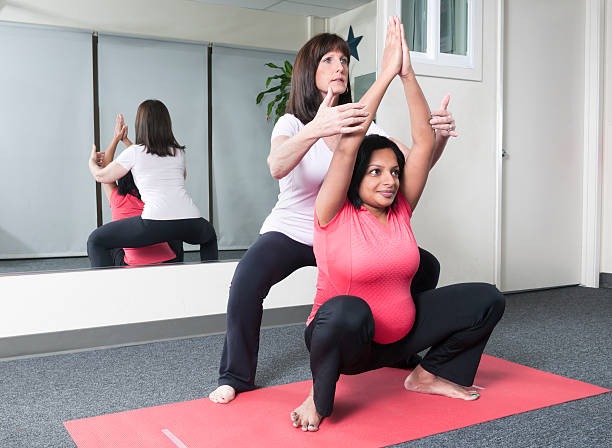
Pregnancy reshapes the body and mind in remarkable ways—and the right movement can make that journey calmer and more resilient. Prenatal yoga classes offer a structured, low-impact way to stay active while supporting breath control, posture, and emotional balance from the first trimester through birth. Grounded in mindful movement, prenatal yoga helps expecting mothers adapt safely to change while nurturing confidence and well-being.
What Is Prenatal Yoga?
Prenatal yoga is a pregnancy-specific adaptation of traditional yoga. Sessions emphasize gentle poses, breath awareness, and relaxation techniques that respect trimester-by-trimester changes. Movements are modified to reduce strain, protect the abdomen, and support joints that naturally become more mobile during pregnancy.
Why Prenatal Yoga Matters During Pregnancy
Prenatal yoga supports both physical comfort and emotional steadiness. Unlike general fitness routines, it is designed to accommodate shifting balance, evolving energy levels, and the need for rest—without sacrificing strength or mobility.
1) Supports Mental Calm and Emotional Resilience
Breath-led practices encourage parasympathetic (relaxation) responses, helping manage stress, mood swings, and sleep disruption.
2) Builds Functional Strength
Targeted engagement of the hips, legs, back, and pelvic floor helps counter the postural changes of pregnancy and daily fatigue.
3) Improves Flexibility—Safely
Gentle ranges of motion relieve tightness in common areas (hips, lower back) without forcing end ranges that could irritate joints.
4) Eases Aches and Enhances Posture
Mindful alignment reduces neck and back strain as the center of gravity shifts, supporting comfortable daily movement.
5) Promotes Restorative Sleep
Relaxation sequences and breathing patterns can reduce nighttime restlessness and improve sleep quality.
6) Prepares the Body for Labor
Pelvic mobility and breath control can help with comfort, focus, and endurance during labor.
7) Strengthens the Pelvic Floor
Progressive activation and relaxation support bladder control and postpartum recovery.
8) Encourages Circulation and Reduces Swelling
Gentle movement supports blood flow, helping minimize ankle and foot swelling.
9) Aids Postpartum Recovery
Maintained strength and mobility often translate to a smoother return to activity after birth.
Gentle Prenatal Yoga Poses (With Modifications)
Practice tip: Move slowly, breathe steadily, and stop if anything feels uncomfortable.
Cat–Cow (Marjaryasana–Bitilasana)
Mobilizes the spine and relieves lower-back tension. Flow with the breath for 4–6 rounds.
Child’s Pose (Balasana)
A restorative stretch for the back and hips. Use bolsters or cushions for comfort.
Bound Angle (Baddha Konasana)
Open hips and groin; stay upright in later trimesters and support knees with cushions.
Supported Squat (Malasana)
Builds leg strength and pelvic mobility. Use blocks or a wall for balance.
Easy Pose (Sukhasana)
Ideal for breathwork and relaxation at any stage of pregnancy.
Safety First: Prenatal Yoga Precautions
- Avoid overstretching: Pregnancy hormones increase joint laxity—work within a comfortable range.
- Modify twists and inversions: Keep twists gentle; avoid deep or compressive positions.
- Protect the abdomen: Skip poses that place pressure on the belly, especially later on.
- Stay cool and hydrated: Practice in a ventilated space; avoid heated environments.
- Listen to your body: Rest whenever needed; pain is a signal to stop.
- Use props: Blocks, bolsters, straps, and chairs improve alignment and comfort.
- Get medical clearance: Consult your clinician, particularly with conditions like hypertension or gestational diabetes.
Potential Limitations to Be Aware Of
- Dizziness with prolonged standing, especially in later trimesters.
- Balance changes due to weight distribution—use support.
- Discomfort from unsuitable poses—modify or skip as needed.
- Preterm labor risk with inappropriate intensity—professional guidance matters.
Guided Support Makes a Difference
For mothers who prefer expert oversight from home, platforms like FlexifyMe provide instructor-led online sessions tailored to pregnancy stages—helping ensure movements remain safe, adaptive, and confidence-building.
Conclusion
Prenatal yoga offers a balanced, mindful approach to supporting both physical comfort and emotional stability during pregnancy. When practiced safely, it can help reduce stress, improve mobility, enhance sleep, and prepare the body for labor and recovery. With proper modifications, professional guidance, and consistent practice, the Benefits of Prenatal Yoga extend well beyond the mat—supporting a healthier, more confident pregnancy journey.