How Online Multiplayer Games Are Redefining Social Life for Young Indians
Online multiplayer games have moved far beyond being a casual pastime in India. For many young players, these games have become a place to relax, meet new people and even grow small communities of their own. It’s interesting to see how this shift is happening across different parts of the country, from big cities to smaller towns where fast internet only recently became common. Even niche titles, like Chicken Road Gambling Game Online Casino, show up in conversations as players explore new ways to unwind and connect with friends.
A New Kind of Social Circle
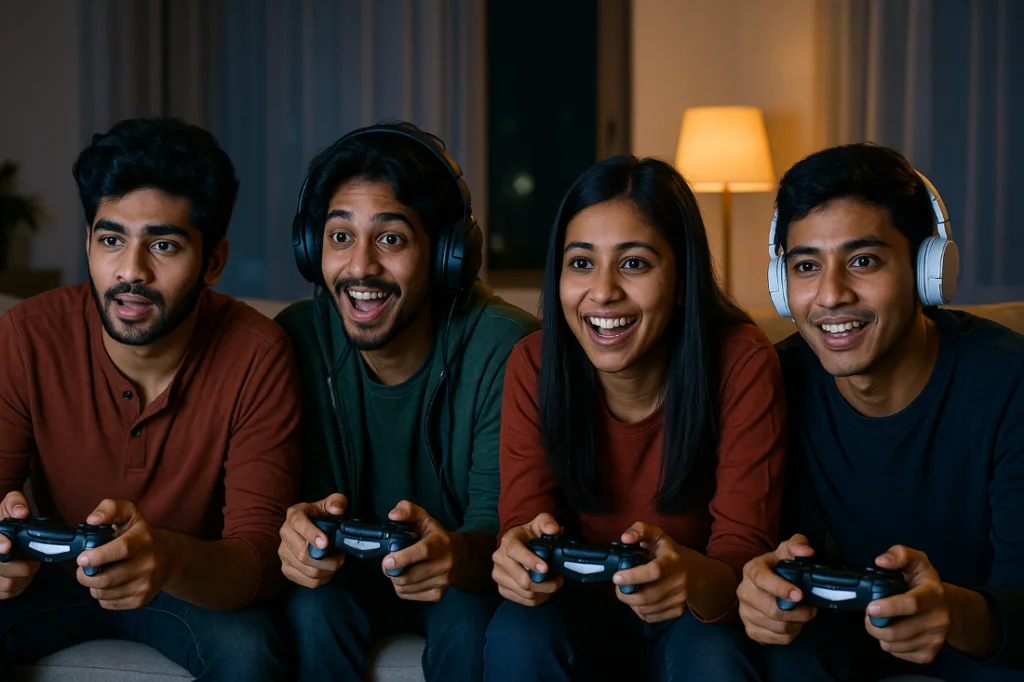
Young Indians are forming friendships through games in a way that feels almost natural now. Matches run late into the night, filled with jokes, quick strategies and familiar voices on voice chat. It’s not unusual for someone to meet a teammate in a random lobby and end up talking to them every evening after work or classes.
Some players say they feel more comfortable opening up in these games than they do in real life. There’s no pressure to look a certain way or act overly formal. You just show up, play and talk. That relaxed environment makes it easier for friendships to grow.
Why Multiplayer Games Feel So Social
There are a few reasons this format works so well for social bonding in India:
- Team-based games encourage cooperation.
- Voice chat makes interactions feel real and spontaneous.
- Shared victories help build trust.
- Regular play sessions create routine without feeling forced.
What stands out is how quickly people build small digital families. Teams develop inside jokes, nicknames and rituals that keep them coming back.
Beyond Entertainment
A lot of players use gaming as their quiet space after stressful days. Instead of scrolling endlessly on social media, they jump into matches where the social energy is more personal. It’s not uncommon for people to discuss school, relationships or career confusion during long queues or while waiting for friends to join the lobby.
At some point in these conversations, someone almost always throws a funny question into the mix, like Is Chicken Road Game Real or Fake, and suddenly the entire squad is debating it in a lighthearted way. Moments like these remind people why they show up. It’s not only the game. It’s the company.
How Gaming Is Changing Communication Habits
Younger players don’t rely on traditional calls as much anymore. They stay connected while playing. Many schedule their social time around game sessions instead of formal meetups.
What’s even more noticeable is the mix of languages. Players hop between Hindi, English and regional languages without thinking about it. This blend creates a relaxed rhythm that mirrors real-life friendships in India.
The Economic Side of Social Gaming
Game developers have noticed these behavior shifts. India’s gaming market is growing quickly, especially around multiplayer titles. Companies are designing games that support smooth voice chat, low data usage and easier matchmaking for players across different regions.
Influencers and streamers have pushed this culture even further. Their live streams feel like virtual hangouts. Viewers talk in the chat, make suggestions and cheer for their favorite players. Many young viewers pick up games because they want to be part of that shared energy.
The Challenges That Come Along
Of course, things aren’t perfect. Some players struggle with maintaining a healthy balance. Others face toxic behavior in certain lobbies. But most young Indians learn to mute, block and move on rather quickly. Communities often form their own small rules that keep things friendly.
Conclusion
Online multiplayer games in India are becoming a central space for connection. These games help young people stay in touch, build new friendships and unwind in a way that feels natural to them. Whether someone plays a top-tier competitive title or a small casual game after dinner, the result is the same. They feel part of something lively and personal.
Gaming isn’t replacing traditional social life. It’s reshaping it into something more flexible and more inclusive, where anyone with a phone and a decent connection can find a group that feels like home.