Why Granulation Is a Critical Step in Modern Plastic Recycling
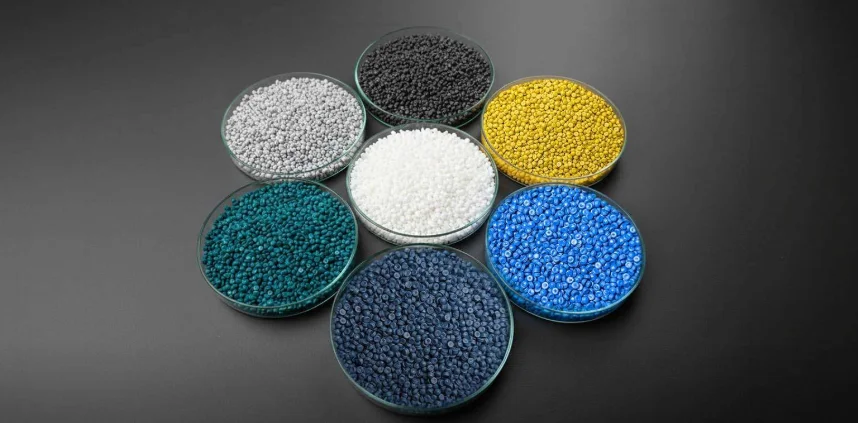
Plastic waste has emerged as one of the biggest environmental challenges for modern industries. Recycling plays a very important part in resolving the plastic waste dilemma. One of the important processes in the recycling process is Granulation. The process involves breaking down the waste plastic into smaller pieces that can be reused. The process can be effectively utilised by organisations such as Banyan Nation to recycle waste plastic and create high-quality products that can be reused. The importance of the process can be understood by manufacturers and environmentalists who want to appreciate its value.
Understanding the Role of Granulation in Plastic Recycling
The process of plastic recycling entails several stages, including, but not limited to, collection, sorting, washing, processing, and material recovery. The most critical of these processes is the granulation process because it turns large quantities of waste plastic into small, usable pieces for use in making new products.
Essentially, the process reduces larger sized plastic products into smaller pieces by cutting or grinding them and then melting, extruding, and moulding the resulting material into new products, such as bottles, trays, or parts for manufacturing equipment.
The granulation part of the recycling process is most important to the success of modern recycling systems and determines how consistent, clean, and useable the recycled material will be. Granulation is critical for the ability to recycle plastic waste effectively.
What Is Granulation in Plastic Recycling?
Granulation refers to the mechanical breakdown of large quantities of plastic into smaller, more manageable flakes or granules for further processing in recycling operations. At a recycling plant, plastic waste enters machines specifically designed to cut plastic into some type of smaller individual component. Each machine has rotating blades or rotary knives that will slice the material into smaller pieces.
Afterwards, these pieces are screened to ensure they are the correct size for use in the next phase of recycling or for further production.
The key components of this process include:
- Reducing large plastic pieces into small reusable pieces.
- Preparing plastic waste to be melted and turned into pellets.
- Creating a uniformity of recycled plastic products.
- Enabling the efficient transportation and storage of recycled plastic products.
Because many manufacturing processes need raw materials to be uniform in particle size to produce a high-quality product, this process is critical.
The Process of Granulating Plastic: Step by Step:
The main focus of a plastic recycling facility is to process plastic into reusable granules, following a series of steps.
- Collection and Sorting of Material
When the granulation process begins, all material to be recycled must be collected and sorted by polymer type before granulation. Sorting separates different materials so they do not mix during processing.
Things to note about this step include the following:
- Recyclable materials are collected from households, industries, and businesses.
- Plastics are separated by type (e.g., HDPE, PP, PET).
- Any foreign material (example – labels, metals, adhesives) is removed.
Proper sorting of materials will improve the overall quality of the final recycled product.
- Washing & Cleaning
After sorting, plastic must be washed thoroughly to remove contaminants, such as chemicals and dirt residues.
The main processes used in washing plastic include:
- High-pressure washing – Used to remove large amounts of dirt and organic contaminants.
- Chemical washing – Used to remove labels and adhesive material from plastic.
- Drying Systems – Used to prepare plastic for future processing.
It is crucial that the plastic is washed thoroughly PRIOR to entering Granulation, as contaminants can damage machinery and/or negatively affect your material quality.
- Reduction Of Mechanical Size
The first level of the granulation process is “cutting”, where plastic material is fed into a cutting chamber with a series of rotating blades that shred it.
The primary characteristics that define the cutting process are:
- Cutting blades rotate to produce small flakes from the plastic.
- Screens limit the size of the pieces produced by cutting.
- The use of friction and mechanical action reduces the plastic into small granules.
The final product, due to these mechanical properties, will be in granulate form, typically ranging from less than 1mm to 3mm, depending on the end use.
- Cooling and Screening
After granulation, the particles are cooled and screened to stabilise them.
Some benefits include:
- Consistent particle size
- Removal of any oversized fragments
- Preparing materials for extrusion or pelletising
The uniformity of this step is important to the manufacturing process.
- Reuse and Pelletising
As part of several recycling methods, granulated plastic is melted down and formed into standardised pellets for manufacturing.
At this point, the process is as follows:
- Granules are melted and pushed through a machine (extrusion), producing long strands of plastic.
- The strands are cooled and cut to create.
- Pellets are a raw material for plastic manufacturing.
Ways to Recycle Waste Plastics into New and Useful Materials by Industry.
The Role of Granulation in Modern Recycling
Granulation is an important process for recycling plastic not only for reducing its size but also to guarantee that the recycled plastic will meet the standard of quality that industries require. Here’s a quick overview of several of the most important reasons:
- Consistency of Materials
By having a uniform size of particles, the material will melt evenly when being manufactured.
The benefits of this are:
- Consistent product quality
- Reduced defects when moulding
- Increased mechanical performance
- Granulation helps improve processing efficiency
Due to being able to easily handle large bulky plastic materials through recycling equipment.
Some other advantages include:
- Faster recycling operations
- Reduced energy consumption
- Improved machine efficiency
The Role of Technology in Advanced Granulation
Some examples of these technological advancements in the recycling industry are:
- Automated feeding systems for precise control over plastics entering the recycling facility.
- The latest high speed blade technologies to separate different polymer types.
- Wet-granulation methods to reduce contamination.
- High-tech monitoring devices to prevent overheating of the granulating machines.
With technical advancements, the granulation process will yield a clean and consistent finished product that meets the standards of raw materials used in industrial manufacturing.
Adoption of Innovative Divisions in Industries — Sustainable Innovation
Currently, the major organizations involved in recycling are all investing in new, innovative processing systems to achieve certain levels of quality.
There’s an increasing number of manufacturers producing high-quality recycled plastic granules that conform to rigorous industry standards with an equivalent `virgin’ counterpart in various products; the systems being used to support large-scale recycling programs also allow manufacturers to achieve their sustainability targets.
The demand for recycled plastics continues to rise at a steady pace; therefore, the necessity for granulation waste into useable industrial material also continues to be essential.
Final Thought
The development of sustainable manufacturing will rely on recycling systems that allow for the recovery of waste materials and that convert these materials into beneficial raw materials. Improving the recycled material quality, efficiency of the process and scalability, continues to evolve with advanced recycling methods. Companies such as Banyan Nation continue to show how innovative and responsible recycling practices can help to create the Circular Economy of Plastics. The advancement of granulation will assist industries in moving forward toward a more sustainable and environmentally friendly future by providing more material recovery and reducing the reliance on virgin plastics and ultimately creating a situation where plastic waste will no longer be viewed as an environmental problem but instead will be seen as a resource.