Pure Shilajeet Price Trends: What to Consider Before You Buy
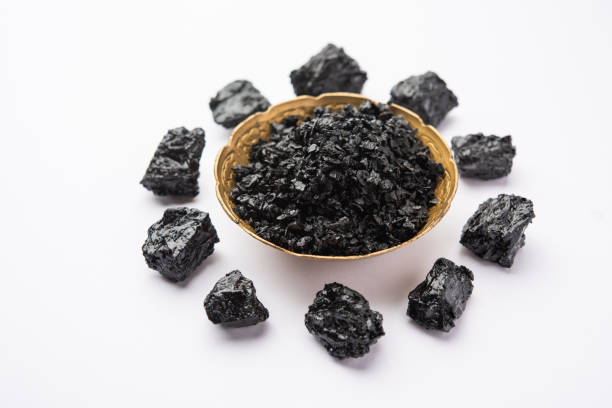
Quick Summary
- The pure shilajeet price has been going up, mostly because more people are buying it, and it’s not easy to source.
- Prices can swing a lot. Same product type, totally different price tags.
- Don’t just chase a low price. Look at quality, labels, and basic transparency.
If you’ve been looking into natural supplements, chances are you’ve come across shilajeet. It’s everywhere now. Fitness pages, wellness blogs, even casual conversations. And what is the first thing most people notice? The price.
One listing shows a few hundred rupees. Another jumps to a few thousand for what looks like the same thing. Confusing, right? It’s not just you. Many buyers feel stuck here, unsure if they’re paying for quality or just clever packaging. That’s exactly why understanding the pure shilajeet price matters before you hit that “buy” button. Because once you know what affects the cost, things start making more sense.
Current Price Trends
Right now, the pure shilajeet price isn’t stable. It keeps shifting. Demand is rising, supply is limited, and brands are positioning themselves differently. All of that shows up in what you pay.
And globally? It can go beyond that. The natural supplement space itself is growing at over 7% annually in 2026, and shilajeet is riding that wave. More demand means higher prices. Simple as that. But here’s where it gets interesting. Some products are priced high because they’re actually better. Others just look premium. Fancy jars, strong claims, and not much else.
A few patterns you’ll notice if you spend even 10 minutes browsing:
- Resin always costs more.
- Himalayan sourcing is used as a big selling point.
- Online platforms show the widest price gaps. Same category, totally different numbers.
So, the pure shilajeet price today isn’t just about the product. It’s also about how it’s being sold to you.
Factors Influencing Prices
Let’s break this down in a simple way. Because once you understand what’s behind the pricing, you won’t feel as lost.
1. Source and Origin
Most authentic shilajeet comes from high-altitude regions like the Himalayas. It’s not easy to collect. That alone pushes the price up. And yes, Himalayan shilajeet is often considered better. That reputation adds to the cost, too.
2. Purity and Processing
Raw shilajeet isn’t ready to use. It contains impurities. Dirt, heavy metals, unwanted stuff. Cleaning it properly takes time and effort. Brands that actually do this well tend to have a higher pure shilajeet price.
3. Form Matters
You’ll usually see three forms:
- Resin
- Powder
- Capsules
Resin is the closest to its natural state. It’s thicker, stickier, and honestly a bit messy to use. But it’s also the most trusted. That’s why it costs more. Powders and capsules are easier, but they may not always be as pure.
4. Fulvic Acid Content
This is one of the key compounds in shilajeet. Higher levels usually mean better quality. And that is reflected in the pure shilajeet price too.
5. Testing and Certifications
Some products come with lab reports. Some don’t. If a brand is showing third-party testing, proper certifications, and clear sourcing info, you’re likely paying extra for that trust factor.
Tips for Consumers Before Buying
Most people don’t want to spend hours researching supplements. You just want something that works and doesn’t feel like a waste of money. Here’s what actually helps.
- Don’t Go Too Cheap: If the pure shilajeet price looks unusually low, take a pause. It might be diluted. Or worse, not real at all.
- Look for Lab Testing: Even a basic lab report is better than nothing. It shows the product has been checked for purity.
- Read the Label Properly: Source, ingredients, and processing method all matter a lot. If it’s vague or missing, that’s a sign to be careful.
- Reviews Help Sometimes: Reviews can help, but they can also confuse you. Look for detailed feedback rather than just star ratings.
- Know What You Want: Not everyone needs the most expensive option. Pick something balanced and see how your body responds.
Conclusion
Buying shilajeet today isn’t as simple as it used to be. More options, more noise, more confusion. And the wide range in the pure shilajeet price only adds to that. But once you understand what affects the cost, things get clearer. Focus on what actually matters. That’s how you avoid wasting money.
Wellversed is a part of this growing space where people are paying more attention to what they consume, asking better questions, and expecting better answers. And honestly, that shift is a good thing.
FAQs
1. Why is pure shilajeet expensive?
Shilajeet forms slowly in nature, mostly in tough mountain regions, and collecting it isn’t like picking herbs from a farm. People actually have to go up there, gather it in small amounts, and then clean it properly before it’s even safe to use, which takes time, effort, and a lot of patience. That’s why the price feels high.
2. What’s the average pure shilajeet price in India?
Most good-quality resin sits somewhere between ₹700 and ₹1300 for 20 to 30 grams. If you’re seeing prices way below that, pause for a second and check what you’re actually getting.
3. Is resin better than capsules?
In most cases, yes. Resin is closer to how shilajeet exists in nature. It’s thick, a bit sticky, and many people prefer it because it feels more real and less processed. Capsules, on the other hand, are super convenient.
4. How do I check if it’s real?
Check if the product shows lab reports. Not just claims, actual reports. Then look at where it’s sourced from and how clearly the brand explains it.
5. Does a higher price mean better quality?
A higher pure shilajeet price can mean better sourcing, better purification, and proper testing. But sometimes, it’s just branding, packaging, and smart marketing doing the heavy lifting. Look at the lab results to be sure.


