How AI Virtual Receptionists Adapt to Seasonal Surges Without Staff Burnout
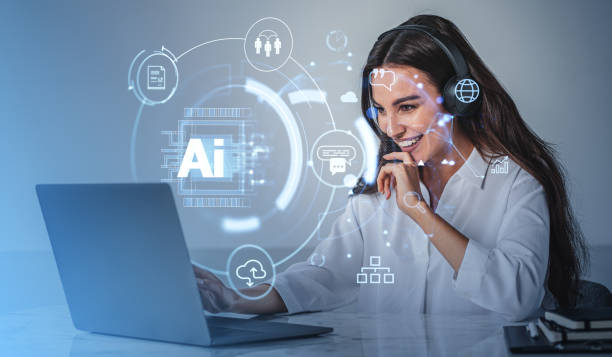
Seasonal rushes have a way of sneaking up on front desk teams. One week feels manageable, the next brings nonstop calls, packed calendars, and patients or customers who are already short on patience. Whether it is flu season at a clinic, tax time for accountants, or summer demand for home services, these spikes often land squarely on the shoulders of a few people answering phones. Over time, that pressure adds up. Many organizations are now looking at AI-powered support not as a replacement, but as a way to absorb the surge without exhausting the humans who keep the business running.
The hidden cost of seasonal overload
When call volume jumps, the first thing that suffers is focus. Front desk staff juggle ringing phones, walk-ins, scheduling, and paperwork all at once. During peak periods, mistakes become more common. Appointments get double-booked. Messages are missed. Conversations feel rushed. None of this happens because staff do not care. It happens because there is only so much mental bandwidth in a busy hour.
Burnout often follows a predictable pattern. Longer days turn into skipped breaks. Frustration creeps in when callers complain about hold times. Even after the season passes, the fatigue lingers. Businesses feel it too, through higher turnover and inconsistent service. Seasonal stress is temporary, but the damage can be lasting.
Why seasonal demand is so hard to staff for
Hiring extra help sounds simple on paper. In reality, it is expensive and slow. Temporary staff still need training. They may not know the systems, the policies, or the tone your business expects. By the time they are comfortable, the surge may already be easing.
Overstaffing “just in case” creates a different problem once things quiet down. Paying for idle labor is not sustainable for most teams. This is why seasonal demand is such an awkward fit for traditional staffing models. The workload fluctuates, but people cannot instantly scale up or down.
Where AI fits into the picture
This is where an AI virtual receptionist changes the equation. Instead of adding more people to the phones, businesses add capacity. AI systems can answer calls the moment they come in, even when dozens arrive at once. They do not get tired, distracted, or overwhelmed by repetition.
What makes this especially useful during peak seasons is consistency. Callers hear the same calm greeting at 8 a.m. and at closing time. Basic questions get answered without delay. Appointments are booked or routed correctly. Meanwhile, human staff are freed to handle the situations that actually need judgment and empathy.
Adapting in real time as volume rises
One of the less obvious strengths of AI receptionists is how quickly they adjust. When call volume increases, the system does not need extra training sessions or overtime. It simply handles more interactions at once. During quieter weeks, it scales back without costing more.
Some systems also learn from patterns. If every fall brings a flood of the same questions, the AI can be tuned to respond more efficiently. If callers tend to ask for certain appointment types during busy months, workflows can be optimized ahead of time. This kind of adaptation happens quietly in the background, which is exactly what staff need when things get hectic.
Protecting staff energy and morale
Burnout is not just about workload. It is about emotional strain. Repeating the same answers all day, especially to frustrated callers, can wear people down. AI receptionists absorb much of that repetition. They handle the routine, the predictable, and the urgent-but-simple requests.
This gives human staff room to breathe. Instead of racing from call to call, they can slow down for in-person interactions. They can solve problems instead of apologizing for delays. Many teams report that the front desk feels calmer, even during busy seasons, because the pressure is shared rather than dumped on a few individuals.
Improving the caller experience during peak times
From the caller’s perspective, seasonal surges are usually invisible. They just know they need help now. Long hold times and rushed conversations leave a bad impression, even if the staff is doing their best.
AI receptionists help smooth this out. Calls are answered immediately. Information is clear and consistent. If a call needs to be escalated, it reaches the right person with context already collected. That efficiency matters most during busy periods, when patience is thin on both sides of the phone.
Blending AI with human judgment
The most effective setups do not rely on AI alone. Instead, they create a partnership. The AI handles intake, scheduling, and common questions. Humans step in for complex cases, emotional conversations, or anything that falls outside the norm.
During seasonal surges, this balance becomes especially valuable. Staff are not replaced. They are protected. Their skills are used where they matter most, rather than being drained by volume alone.
Planning ahead instead of reacting later
One of the biggest advantages of using AI receptionists is predictability. Instead of scrambling each year to cover peak demand, businesses can prepare. Systems can be adjusted before the rush starts. Scripts can be refined. Capacity is already in place when the phones light up.
That preparation reduces stress for everyone involved. Staff know they are supported. Managers know service levels will hold steady. Customers notice shorter waits and clearer communication.
A calmer way to handle busy seasons
Seasonal surges are not going away. If anything, customer expectations around speed and availability continue to rise. Trying to meet those expectations by pushing staff harder is a short-term fix with long-term consequences.
AI virtual receptionists offer a different path. They adapt to demand without exhaustion. They protect staff energy while keeping service consistent. When used thoughtfully, they turn the busiest times of year from a burnout risk into a manageable, even predictable, part of operations. That shift alone can make peak seasons feel far less overwhelming, for everyone on the other end of the line.







Post Comment